Last updated on August 31, 2023 9:56 pm
Laser levels are one of the most versatile measuring tools.
You may think an electrical leveling tool is only for carpenters. But if you didn’t keep reading, you might never know how this device can be heaven-sent to many homeowners and DIY enthusiasts.
Aaron Barnett of BangingToolbox recommends: For someone with unmatched attention to detail, you cannot sleep on misaligned mounting holes for two pieces of artwork or a row of picture frames.
Such a thing as the slight lowering of one curtain rod end can be an eyesore.
Leveling is an important step you cannot skip when building a home from scratch. Leveling is crucial in maintaining stability and safety for any structure you want to build.
The many uses of laser levels will result in a long list of applications you may never encounter on your upcoming projects or do with your regular level.
But it can be as many as the things you can do on your simplest renovation, DIY, or hobby projects that you get value from.
So if you’re still torn if you must own a laser level or not, read this article.

Building, Construction, and Home Improvement
A home is not a home without anything inside it. When you first move into a new home, you think about the things to put inside.
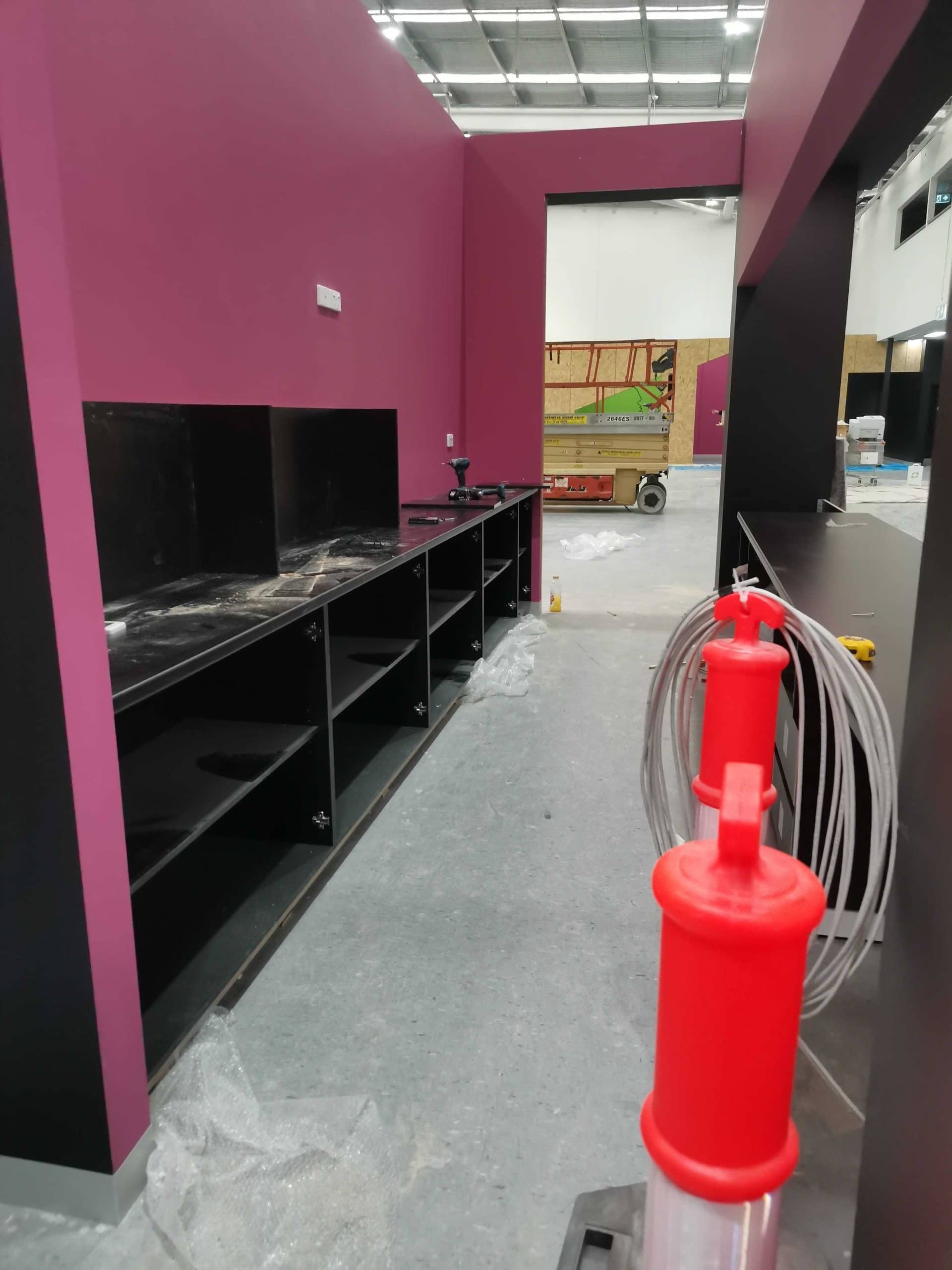
From home entertainment to kitchen cabinets to furniture and fixtures to simple decorations, you will need the help of a laser level.
With a principle that has been a practice since 3000 BC, it is no surprise that leveling has been a significant process for many years of human history on Earth.
Through time, leveling was enhanced and improved with the laser technology that is the laser level of today.

1. Installation and mounting
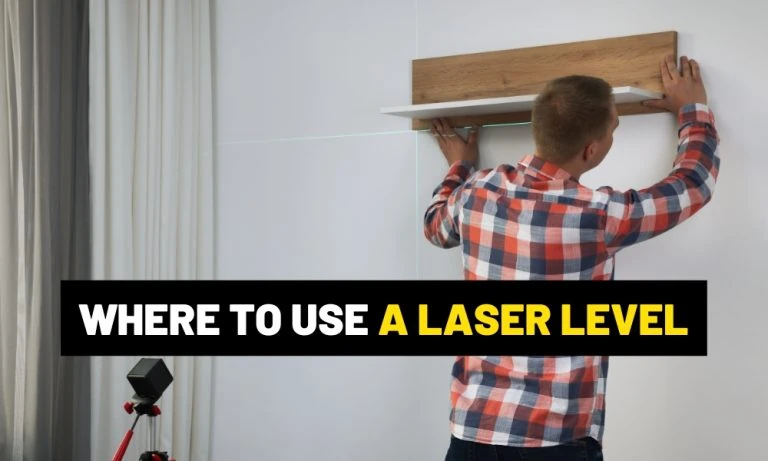
The most popular application of a DIY laser level is installation and mounting.
Think about the simple hanging of pictures.
Displaying photos and art on the same wall can be something your spirit level could do for short hallways.

But projecting non-permanent level lines on opposite walls or with the wall on the side is better done instantly with a laser level.
If you’re finicky when hanging wood art and you’re trying to perfect spacing and alignment requirements, you turn to a laser level.
Just think about the integrity of your mounting equipment without a laser level for a moment.
If you are mounting multiple bikes on a wall rack, you need everything aligned securely to maximize how your garage looks, with weight capacity and safety in mind.
And to utilize the true benefits of articulating TV mounts, you need the help of your line laser level to keep the mount aligned at different angles and with other furniture and objects in the room.
See, laser levels create a big difference in simple installation and mounting projects. If that’s not enough reason for you to own a laser level, here’s more:
- Hanging shelves and cabinets
- Installing curtain rods
- Creating accent walls
- Mirror installation
- Towel & robe rack, bar, and hook installation
- Floating shelves
- Installation of wainscoting
- Installation of handrails
We might have missed some applications in this list, but consider first the most common home DIY applications you can do with a laser level.
2. Floor and tile work
When it comes to floor work, nothing beats having alignment and leveled floorboards or tiles.
With the help of laser level, you can prevent people from tripping or falling off guard. You won’t have trouble setting up that furniture on a leveled floor.
With the help of a laser level in floor and tile work, you will not struggle to install doors and floor coverings or have difficulty installing perfect floors.
Owning a laser level means being able to enjoy the true benefits of leveled floor work.
So how can a laser level help you in floor and tile works?

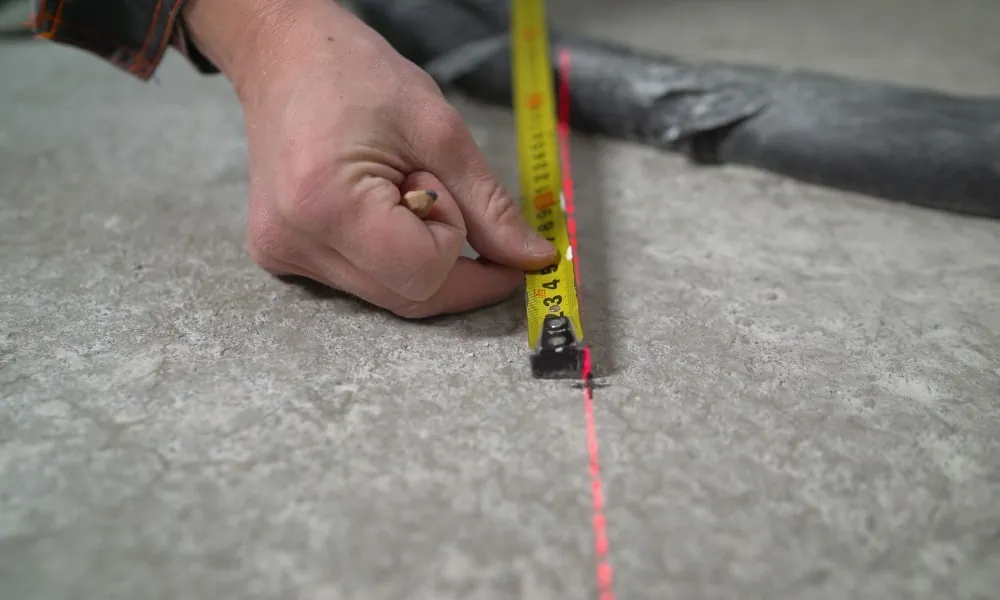
Aside from wall and floor tile installation, you can use a laser level for the following flooring jobs.
- Incorporating accents or borders on your tiles or floorboards
- Marking and aligning grout lines
- Setting up reference lines for complex tile patterns such as diagonal and herringbone
- Shower floor and wall tile installation
- Planning tile layout
- Cutting tiles accurately
- Installing hardwood and laminate flooring
- Assessing of slope or pitch of the floor
These are only a few of the many applications of a laser level for your future home renovation or DIY projects. And there’s more.
3. Framing and structural work
A few of the most integral functions of laser levels are premium assistance for framing and structural work. You mess up with framing, and the rest is done.
The good thing is you can perfect your framing and structural tasks with a laser leveling tool. Ensure that your laser level is accurate. Or else bring it to a professional for calibration.
So how can a laser level help you with framing and structural tasks?

- Installing wall studs
- Building shelving units
- Installing drop ceilings
- Installation of baseboards, crown molding, and trims
- Window and door frame installation
- Framing accent walls
- Building partitions and dividers
- Installation of fence posts, decks, pergolas
- Cutting window and door openings
- Aligning exterior cladding and sidings

Other applications
On our next list, we’ll focus on other applications of laser levels you might not be able to DIY.
1. Plumbing and drainage
Although you might not come across these applications and will require specialists, we’d still bring them into this list.
Some of these tasks need a special type of laser level, especially for pipe and tunneling tasks.
- Drainage pipe installation
- Aligning plumb fixtures such as sinks, toilets, or shower drains
- Setting elevation and height of pipes
- Testing drainage slopes
- Installaiton of sump pumps or drain
- Aligning vent pipes and checking their angles

2. Electrical applications
Laser levels play critical roles in electrical applications too.
You’re not only dealing with assuring architectural quality with fixture alignment but also enhancing the safety of the electrical fixtures installed.
If one day you’ll need the help of a laser level for electrical fixtures, here’s how you can use the leveling tool:
- Running conduit and cable trays
- Aligning recessed lighting
- Setting heights of switch plates and outlets
- Aligning electrical panels and cabinets
- Installing ceiling fans in the center
- Aligning multiple lights
- Aligning track lightings
- Aligning wall-mounted power strips
- Routing cable channels
3. Landscaping and Outdoor
If you’re planning to improve your garden or property, a laser level will aid you with most of your leveling and alignment needs:
- Grading and leveling for lawn installation
- Fencing and post installations
- Installation of retaining walls
- Setting stone or paver pathways
- Installing drainage systems and irrigation
- Installation of outdoor lighting
- Establishing plant beds
- Establishing hardscape attributes such as wall seatings, outdoor kitchen, fire pits

4. Surveying & Engineering Applications
Laser levels are a must-have tool in surveying, engineering, and large-scale construction applications.
However, there is a specific laser-level type for outdoor construction and surveying purposes. (A rotary laser level).
Not to be confused with a standard laser level. The two tools are entirely different.
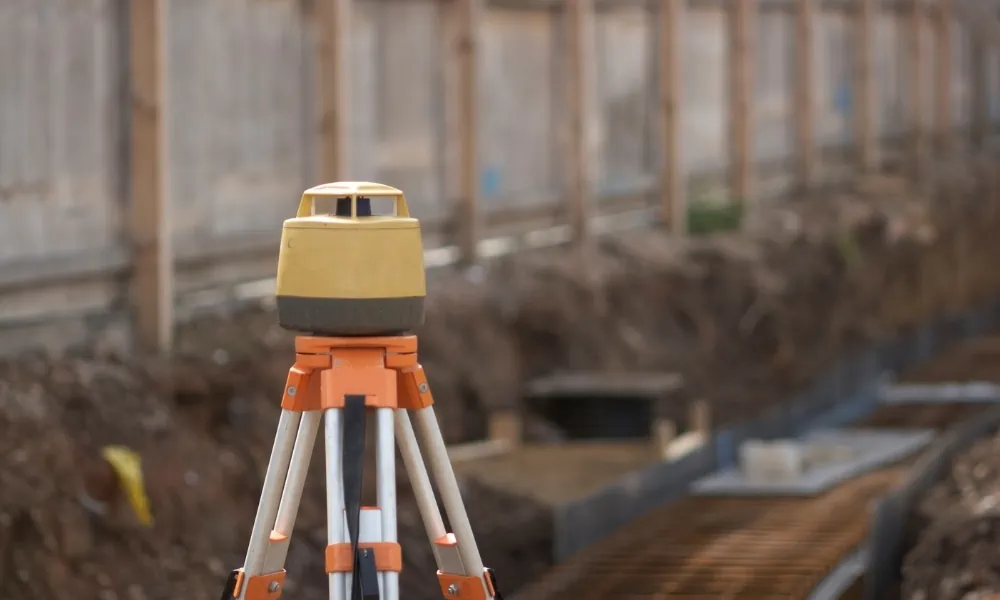
Some standard laser levels have a rotary function but this shouldn’t be called a rotary laser level! as this is confusing.
Be careful of home DIY bloggers that don’t understand building well and lump rotary laser levels as having the same use case as a chippy’s indoor laser level.
The next set of applications with a rotary laser level may not apply to your tasks unless you work on a construction site or you’re an engineer or a contractor.
A rotary laser level can be substituted with a datum level or a theodolite for better accuracy.
Outdoor leveling equipment is critical for establishing and marking precise reference points and dimensions onsite.
- Converting dimensions from the design to the physical site.
- Establishing reference points or benchmarks onsite.
- Creating grid lines and datum points. (Theodolite)
- Site grading and excavation
- Aligning mechanical, electrical, and plumbing systems
- Road & highway construction
- Land surveying and mapping
Final Word
With all these uses, it doesn’t mean all laser levels can do them all. You need to check the type of laser level you need.
When you think you’ll probably use a laser level for many home improvement, building, and DIY works, check this simplified list of the most accurate laser leveling tools.
Because you never know. When you decide to become more productive at home, you can tweak your garden or upgrade your kitchen or bathroom anytime you want.
It’s all possible when you have a 5-point carpenters laser level in your toolbox. Or a USB-powered DIY cross-line laser level in the home.