

- Nibbler care tips?
- 1. Use nibbler only on metal sheets within its capacity.
- 2. Avoid using excessive force.
- 3. Remove metal chips after use.
- 4. Keep the cutting components sharp.
- 5. Remove batteries when not in use.
- 6. Store when not in use in a cool, dry place.
- 7. Regular cleaning is a must.
- 8. Lubricate regularly.
- It’s easy to maintain a nibbler.
Last updated on May 30, 2023 7:32 am
Nibbler care tips?
Aaron Barnett of BangingToolbox suggests: For anyone who owns or is about to get a nibbler, one of the first things you need to know is how to maintain a nibbler tool.
You want to avoid the premature wearing of the punch and die.
If you lack care for maintenance, you may struggle to complete cutting jobs or finish them with jagged edges down the road.
This compromises the quality of your workpiece and will make the tool difficult to work with otherwise.
With a tool that’s challenging to operate, the risks posed by the nibbler only increase as you use the tool more without any maintenance.
For this reason, you need to know how to maintain your nibbler.
So, what can you do to keep it in good condition and extend the nibbler’s usefulness for many years ahead of you?

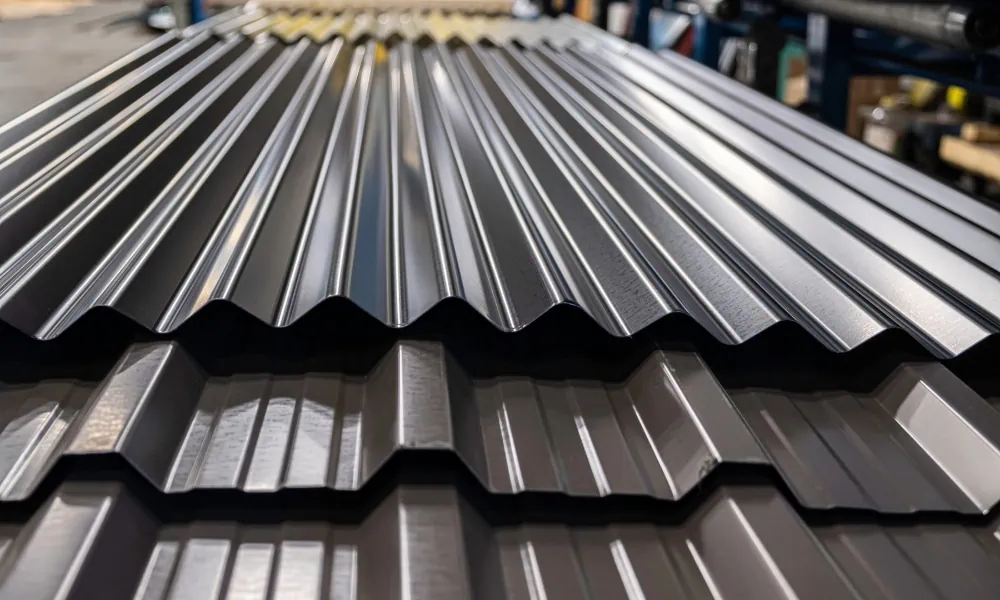
1. Use nibbler only on metal sheets within its capacity.
Nibblers are sold with their rated capacity labeled on the tool. You will find this rating on the cutting head or the body.
Do not cut any metal more than the tool’s rated thickness because it will cause stress on the gears, motor, punch, and die.
Also, do not use your nibbler on hardened steel. These types of metal are beyond the question of what can a nibbler cut.
Going beyond a tool’s maximum capacity can lead to slower cutting speeds, incomplete or uneven cuts, and difficulty in future cutting.
Also, going beyond a limit could result in the tool being unstable or unpredictable when operating.
The worst that could happen when you cut beyond the rated capacity is losing control over the tool or a blade-related seizure.
With a preventive measure of caution, you can keep the tool in operable condition and prolong the tool’s useful life.
2. Avoid using excessive force.
In relation to the first preventive maintenance, excessive force can also damage the tool and compromise its performance and safety.
The measure of force means that you must use the right amount of speed on the right material.
Nibblers are for thin metal profiles. Therefore, too much speed on thin metal sheets is overkill. This measure can affect the quality of performance of a nibbler.
Additionally, less speed used on harder metals can damage the tool. Excessive force causes stress and strain on the moving parts and the cutting assembly.
If you want to preserve your tool’s integrity, use your nibbler within its capacity.

3. Remove metal chips after use.
Nibblers leave off messy metal shavings while working.
These metal chips can accumulate on the nibbler’s moving parts and interfere while in use.
They can jam, cause friction, or damage the tool if left unchecked.
When left close to moving internal parts, they can cause slips and accidents inside the tool and cause your nibbler to become uncontrollable.
For this reason, it is a first class practice to check your nibbler tool and remove the metal chips after each use.

4. Keep the cutting components sharp.
The only way to keep your tool cutting smoothly is to use a sharp punch.
However, most punches and dies are not designed for sharpening. Check the manual if the manufacturer recommends sharpening.
But the only way to cut smoothly is to use a sharp punch and die by replacing them when they are already blunt.
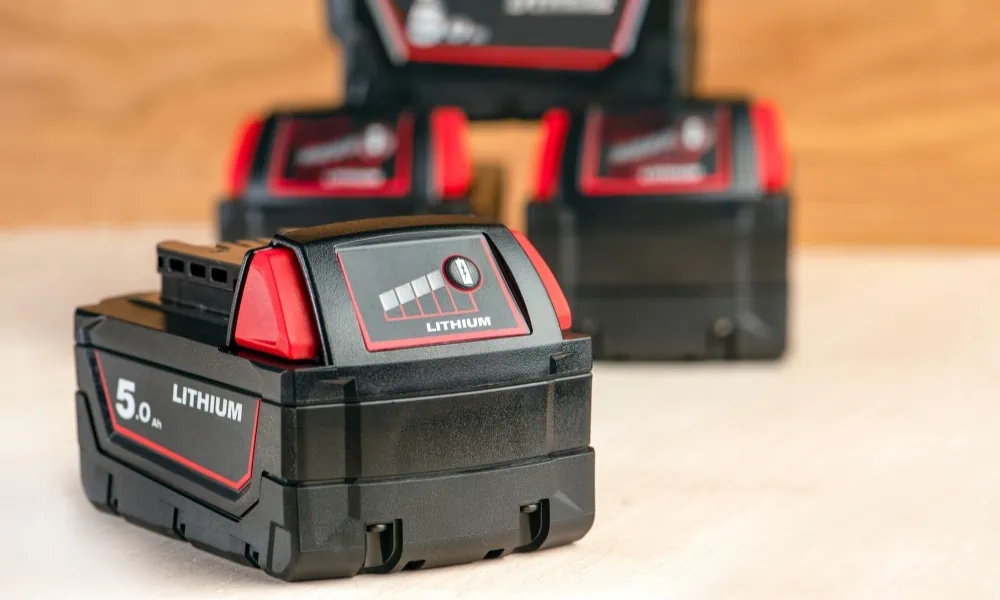
5. Remove batteries when not in use.
For cordless units, keeping them in the compartment for a long time is harmful not only for the battery but for the tool itself.
You can preserve the battery life when you practice removing the battery when not in use for a long time.
Also, this measure prevents the battery from self-discharging.
This practice protects the battery from temperature changes, humidity, and other environmental impacts, including short circuits and battery leakage.
6. Store when not in use in a cool, dry place.
Proper storage is critical for maintaining your tool. You want to avoid moisture seeping into the nibbler’s internal mechanism and components.
Moisture causes corrosion on the punch and die and other internal components.
Aside from that, it can affect the transmission of electrical power and cause the tool to malfunction.
On the other hand, extreme temperatures cause the internal parts to warp, melt, or reduce the performance of your nibbler tool.
By properly storing your nibbler tool in a toolbox! You can prevent these risks, keep your tool in good shape, and extend your nibbler’s productive years.
Check these portable storage toolboxes and bags if you’re always on the go.

7. Regular cleaning is a must.
The purpose of regular cleaning is to prevent dirt, dust, or metal chips from clogging any moving parts of the nibbler. The least you want is blockages or corrosion on or in your tool’s internal electrical components.
As part of periodical inspection and tool preparation, ensure you work with a clean tool.
To do this, use a portable compressor or shop vac to clean and clear metal shavings with a blower attachment. Some nibblers have dust collection bags. Also, do not forget to wear gloves when dealing with sharp metal chips.
8. Lubricate regularly.
Lubrication is a crucial maintenance process for nibbler.
The tool contains moving parts that brush against and touch each other while running. Because of this, they can create friction when used dried. You need to lubricate for friction and heat protection.
Use only your manufacturer’s recommended lubricant. Apply a generous amount to moving parts and distribute the oil evenly.
You can run your nibbler after pouring on some lubricant to ensure drips seep into every inch of the moving parts, like gears and pivots.
Check with the manufacturer of your tool on exactly what parts need lubricantion.

It’s easy to maintain a nibbler.
All it takes are dedication and consistency. Although owning a nibbler may pose some risks, they are manageable. With this guide, handling a nibbler can be a breeze.
The benefits of a maintained nibbler will bite your way through all types of metal sheets on the go.
If you have decided to own one or upgrade, check our top nibbler choices and see what will work for you.


