

Last updated on April 15, 2023 9:36 pm
Want to know more about a nibbler’s cutting capacity?
Aaron Barnett of BangingToolbox suggests: Knowing a nibbler’s cutting capacity is an essential piece of info or a procedure to take before performing any cuts with metal sheets.
The cutting capacity of a nibbler tool defines the maximum thickness that a nibbler can cut.
By knowing a nibbler’s cutting capability, you can set a thickness limit that is safe to operate both for the specialized operator (you) and the tool (Your nibbler).
Moreover, knowing a tool’s limitations will help you understand at which point the cutter is most efficient, and when a tool needs to stand down.
Following and not exceeding the limitation of your nibbler tool will help you prolong the tool’s lifespan.
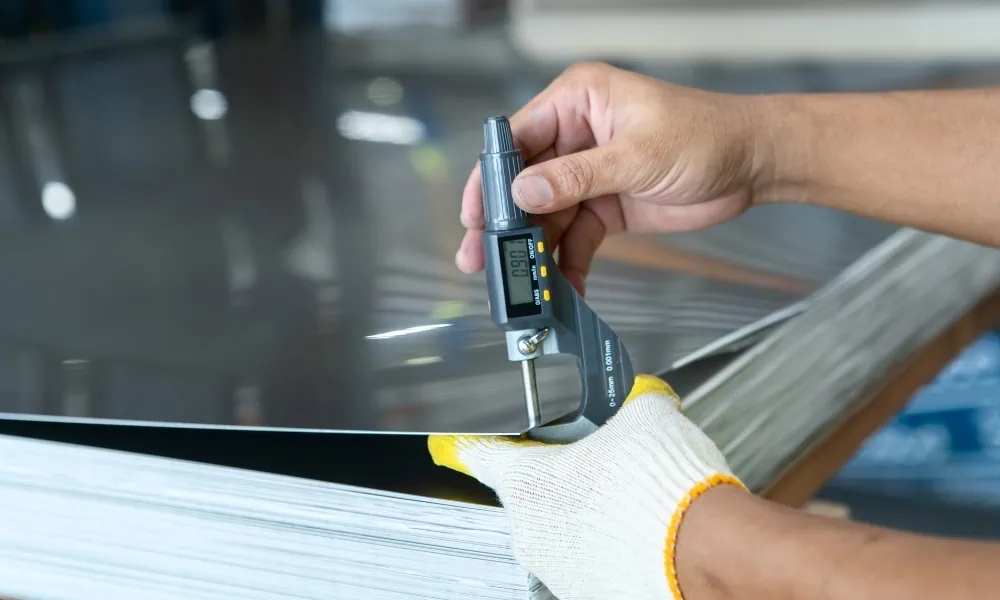
Consequences of cutting outside your nibbler’s cutting capacity
Going over or below the measurement of the rated gauge limit poses safety risks for the tool and the operator.
Moreover, challenging a nibbler beyond the motor’s capacity could reduce the efficiency of the tool in the long run.
Instead of being able to cut faster, the blade could have a harder time making clean, precise cuts later.
Using the nibbler beyond its limits could result in wasted resources, time, and effort.

Additionally, consistently challenging any nibbler beyond reasonable capacity could damage any of the internal parts, especially the punch, die, and die, holder.
And most of the time, the abuse would result in poor-quality cuts. You may find jagged or uneven cuts on the edges of newly cut materials.
Additionally, the metal sheet could bend, deform, or become distorted if you try to cut the sheet beyond a nibbler’s capacity.
As we all know, superior quality nibbler cuts clean and accurately without burred edges.
Factors that affect the cutting capacity of a nibbler
1. Material
Nibblers only cut thin metal sheets. You cannot use this guy on hard thick steel, brittle plastics, or other materials other than metal sheets.
Like other saw blades, you cannot use the blades on materials the nibbler blade is not intended for. Otherwise, it will compromise efficiency and may quickly damage the cutting edge.
2. Thickness
Most nibblers have recommended thickness specifications found in the manufactures specs inside the packaging box.
Some have it on the tool itself. This specification will help you with what you can cut with the nibbler.

3. Type of nibbler
There are different types of nibblers: Manual, air-powered, electric-powered, cordless, and drill attachments. You should know which applications each type is suitable for.
In general, an electric-powered nibbler could be more powerful but will not be suitable for thinner metal sheets. Air-powered nibblers could have limited cutting speed and depth.
Cordless nibblers are becoming more popular among DIYers and carpenters because of their mobility.
You can bring your nibbler anywhere and tuck it in your tool bag like other handy cordless tools.
You can use cordless nibblers for light to heavy-duty cutting tasks from cutting metal sidings to ductwork to roofing.
These are just a few reasons why cordless nibblers appeal to many DIYers and roofing professionals.
For this reason, you need to consider the type of nibbler you handling for your cutting applications.
4. Punch and die condition
The punch and die in a nibbler are exposed to repetitive impacts on metal sheets. The edges do wear out over time.
A punch could be dull, and the die could wear out.
If you noticed your nibbler is not cutting, there could be a problem with the punch-and-die status or assembly.
If there’s a problem with any of these components, it may not cut through the rated and declared cutting capacity.
How to know your nibbler’s cutting capacity?
Before a nibbler is out on the market, manufacturers put their nibblers to the test.
This process will rate the cutting capacity, which is what you find in their product descriptions.
Some models label the limit on their cutting heads, and others pop it on their handles.
But most likely, this information is disclosed before you purchase, whether you buy online or at a physical store.
Some units even include their capacity for stainless and mild steel. As different metals will be rated differently.

How thick can a nibbler cut?
Although there are different variations of thickness in different materials, a nibbler could typically cut up to 10 or 14 GA metals.
Aluminum is softer than galvanized steel.
And stainless steel is the hardest. Trusted brands can cut 18 to 10 GA of metal.
Check our review of Makita nibblers on this page.
Metal Thickness Gauge Chart Based on Nibbler’s Cutting Capacity
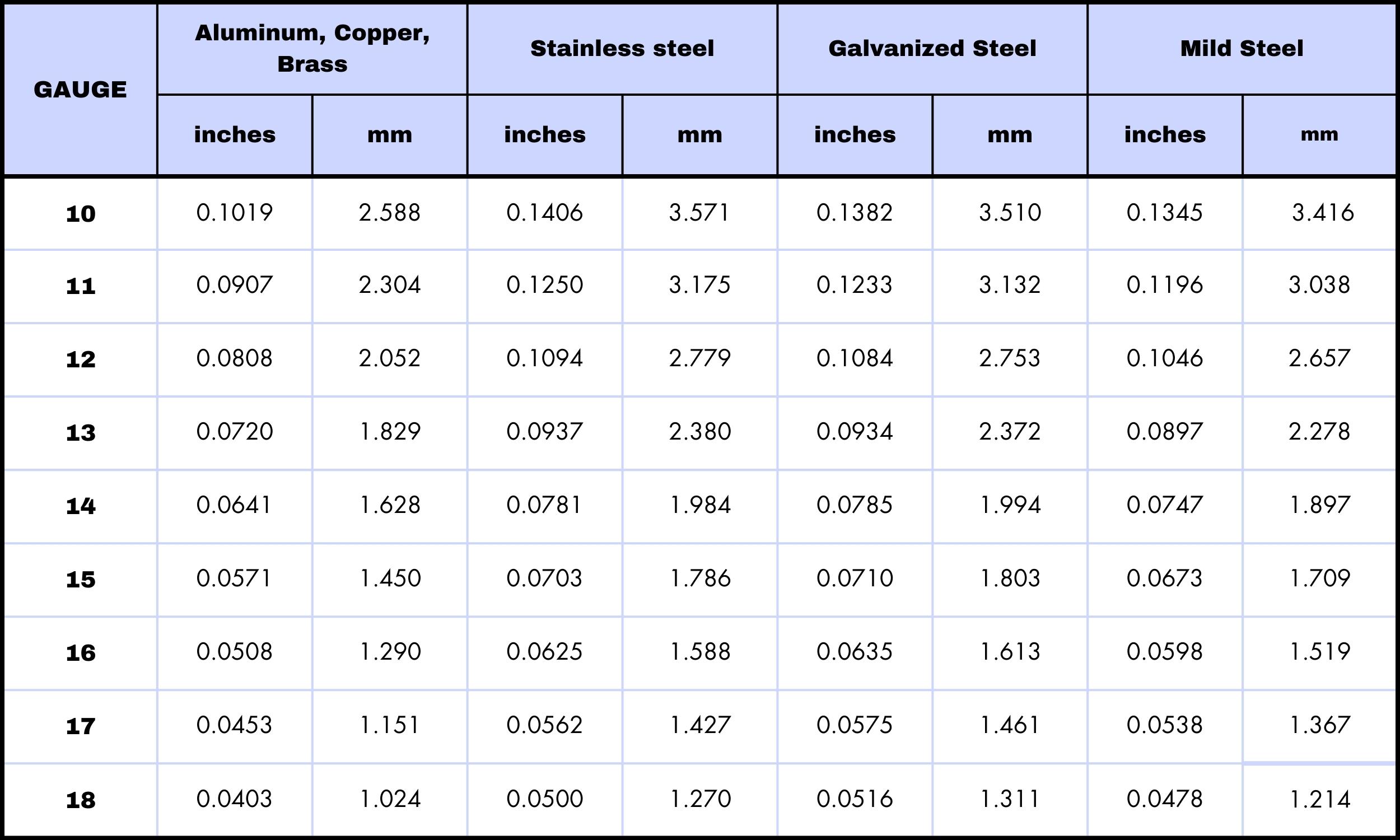
Source: Thomas
Should you go over a nibbler’s cutting capacity?
I would not advise using a nibbler beyond its cutting capacity.
If your work depends on a nibbler tool, you should take action to maintain its integrity and keep it in tip-top shape and condition.
Here’s what you can do to keep a nibbler tool efficient at full cutting capacity:
Always check for signs or wearing on parts and perform necessary replacements.
Lubricate the moving parts. Set the tool to the correct cutting speed.
Choose the right nibbler and make sure the punch and die are not underpowered to cut through thicker metal sheets or overpowered for thinner metal sheets.
By following this simple guide, you can use your nibbler at the maximum cutting capacity and for long years to come.
Check our nibbler tool page to see the cutting gauge rating for all the nibblers we have inspected.


