

Last updated on March 23, 2026 3:15 am
Torn between nibblers and shears?
According to Aaron Barnett of BangingToolbox: Choosing between a nibbler vs shears can be downright confusing.
When you are working with metal sheets, there’s a high probability that you will come across different cutting techniques: straight cuts, curved cuts, intricate shapes, pierces, notches, slits, or trims.
Unless you own one or both, you will only know the capabilities or differences once you try each tool in different applications.
Apart from experience, I can say that several factors affect performance.
To help you decide between the two, I made a comprehensive and detailed comparison between a nibbler and electric metal shears.

What do they have in common?
Nibblers and shears are common in the ways you use them both for cutting metal sheets.
Both of them have manual, electric, and compressed air-powered versions.
I will focus on electric-powered nibblers and shears that boast safety attributes such as blade locks and finger guards.
Nibbler tools are not limited to one cutting pattern or capability but you can use them for multiple cutting techniques.
Although one type may specialize in some cutting patterns, you can still try occasionally with patterns the tool does not excel with – with only adding a little extra effort.
You can cut different types of metal sheets with shears and a nibbler.
- Aluminum
- Copper
- Mild steel
- Stainless steel
- Galvanized steel
- Tin
Both tools have replaceable blades. And to add up, they both have a maximum cutting capacity which differs in figures. So, in what other aspects are they different?
The nibbler tool
A nibbler is a cutting tool that utilizes a punch-and-die mechanism to create small notches or metal cuts, which are then nibbled away.
The single blade creates upward and downward motions to punch through metal sheets like a beaver, eating wood.
The tool can cut through any direction and make intricate shapes and curves because of this non-catching nibbling action.
And since we are focusing on electrical nibblers, you have more options to set your tool at varying speeds and cutting actions according to metal sheet thickness.
The nibbler has three main types: manual punch and dies, powered nibblers, and benchtop nibblers.

Types
Manual punch-and-die
The fundamental cutting action of power nibblers and benchtop nibblers comes from the manual punch and die tool.
It nibbles away in any direction in a metal sheet with applied force. As it cuts through the metal, it nibbles a small chunk of metal sheet and ejects each bit as it releases.
However, you will need to have the extra push of physical force to continue nibbling with a manual hand nibbler.

Electric nibbler
A powered nibbler is a handheld power-cutting tool that has the same mechanism as the manual nibbling tool.
However, it doesn’t require physical force since it utilizes force from compressed air or electricity to operate.
What we love about power nibblers is that you can pick one according to the metal thickness gauge and need for speed – at cutting.
Benchtop nibbler
Benchtop nibblers are power nibblers held on benchtops. Unlike handheld power nibblers that are portable, these nibblers are stationary and work more like a machine.

Pros
- Ideal for intricate shapes and curved cuts
- Cuts through thinner and softer metals
- Cuts from corners
- Cuts faster than shears
- Creates less distortion
- Cuts through hard-to-reach areas
Cons
- Slower and less precise for straight cuts
- Messy
- More expensive
Metal shears
Metal shears are electric scissors for cutting metal. The tool contains two blades with sharpened parts moving toward each other like the dangerous clasp of a crab.
The other blade serves as a stationary blade while the top blade moves down to perform the cut.
Metal shears can be powered by air or electric-powered or manual force.
Since we are focusing on real business and electric-powered shears, here are the optional attributes you can enjoy:
- Adjustable cutting depth, direction, and angles
- Speed adjustment
- Blade guides

Types
Single-cutting shears
Single-cutting shears have one cutter, much like scissors, that rapidly cuts metal sheets with two sharp blades facing each other.
Though it doesn’t leave a mess, it may distort metal sheet cuts.
Double-cutting shears
These cutting shears utilize two cutters from opposite sides, removing a thin strip of metal as it glides through the metal sheet.
The double-blade upgrade leaves a clean cut with less to no distortion.

Pros
- Ideal for making straight cuts.
- Cuts cleaner with minimal kerfs
- Cuts fine lines and with precision
- Ideal for heavy-duty cutting jobs
- Best for cutting thick and hard metals
Cons
- Limited cutting direction
- Cutting curves can be a challenge
- Cuts with more distortion than a nibbler
Who uses a nibbler and metal shears?
Choose a nibbler if you are:
- A metalworker creating intricate shapes, different shapes, and curves
- A metal roofer constantly cutting through corrugated metal sheets
- Automotive detailer taking care of metal bodywork and repairs.
- HVAC technician working on ductwork and repairs
- A DIYer who wants to explore cutting metal with different patterns and shapes

Choose metal shears if you are:
- A sheet metalworker who needs to cut large sheets of metal into more manageable pieces.
- Metal fabricators
- HVAC technician doing ductwork ad repairs
- Metal roofers for cutting straight lines
- Automotive detailer making straight cuts on metal sheets for body panels

Applications: Where to use your metal cutting tools?
Where to use a nibbler?
- Curved cuts
- Corner cutting
- Notches
- Trim edges
- Punch holes
- Narrow radius
- Corrugated metals
Where to use electrical metal shears?
- Straight lines
- Large radius
- Multiple passes to cut corners (Try offset shears for this job)
- Notches
- Metal roofing panels
- Flat panels
Thickness Capacity
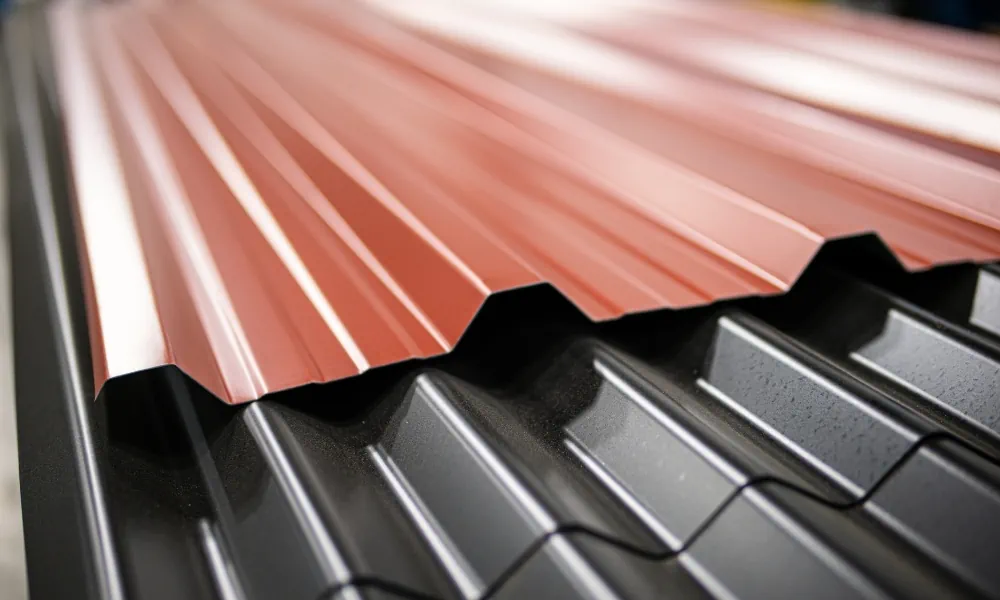
Electrical metal shears could take thicker and heavier metal-cutting jobs than nibblers.
On average and based on our records, electrical metal shears could cut through 16 to 20 GA.
More powerful shears could cut up to 14 GA. But it’s more advisable to use a nibbler for this.
Meanwhile, nibblers cut thinner metals. Our record tells us that nibblers cut from 10 GA to 18 GA.
Cutting Speed
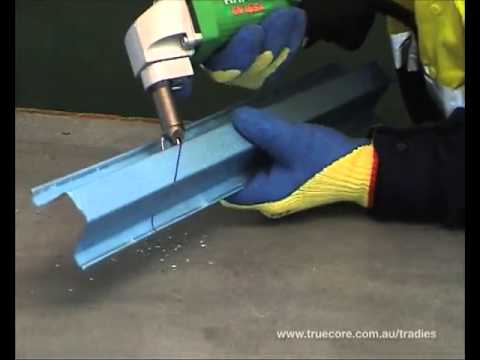
In general, a nibbler is faster than electrical shear. However, this still depends on factors like the shape you are cutting.
If you are cutting straight cuts, shears cut faster than a nibbler. For cutting curves, the nibbler does it faster.
Also, it depends on the thickness of the metal sheet. Electrical shears can cut faster on thicker metals, while a nibbler cuts faster on thinner metal sheets.
Noise and Vibration
In general, the nibbler creates more vibration and noise because of the punch-and-die mechanism.
Because of this mechanism, it creates repetitive bangs and impacts, which make a louder noise.
Also, the sound produced depends on the thickness of the materials.
On the other hand, electrical shears make moderate noise when cutting.
Precision & Cutting Accuracy
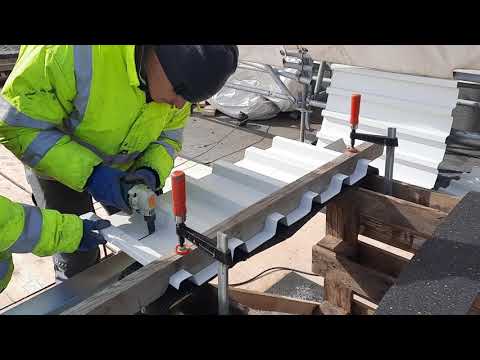
When it comes to fine details and precision, especially for intricate patterns, nibblers are the clear winner here.
Nibblers can cut in any direction and leave a smooth cut.
Additionally, nibblers are easier to control, which helps in making accurate details of your patterns.
However, this preciseness could be a challenge for nibblers when cutting straight lines. Fine, straight lines are better cut with electric shears.
Check out how we tested Makita nibblers here.

Cutting Mess
Nibbler ejects a lot of micro metal waste while working.
If you are working on delicate metalwork, expect a messy after-work clean-up job when working with nibblers.
Meanwhile, electric metal shears would leave one winding metal strip after cutting, which makes it more manageable.

Nibbler vs. Shears: Which is Better?
There’s no straightforward answer to this question. It all depends on your line of work and your preference.
If you spot in our guide which jobs fit for shears or a nibbler, you can easily qualify which one suits your line of work better.
If speed and accuracy matter to you and mess is tolerable, go for a nibbler. I listed my favorite nibblers here.
If you will work more on thicker metal sheets for precision straight cuts but don’t mind being limited for corner cuts, go for shears. I have a list of recommended electric metal shears as well.
In general, you can use a nibbler interchangeably and will do well with all sheet metal-cutting jobs.


