Last updated on September 2, 2023 12:19 am
Doing renovation or DIY projects with kids?
When you have total or partial renovation or DIY projects at home, the area becomes a hazard zone instantly.
Whether it’s a home DIY project or renovation, it will surely affect your family’s everyday life during the entire project.
Aaron Barnett of BangingToolbox suggests: A simple hammering or drilling can produce noise and disturb your kids. What more if some areas need demolishing or removal?
And imagine the power tools and leftover materials they will be exposed to. You surely need to prevent children’s access to the areas of work.
For this reason, you do not only plan the home improvement or DIY project. You also need to plan the safety of your children and pets while the project is ongoing.

What are you keeping your child away from?
You must keep your child safe during home renovation or DIY activities away from the building site because the area can contain harmful and hazardous materials.
- Chemicals and hazardous materials – You want to keep your kids from the harmful effects of materials such as lead, silica dust, asbestos, or VOCs. If you are renovating a home built before 1978, there could be a high chance that the house has lead in the roofing materials and in the paint.
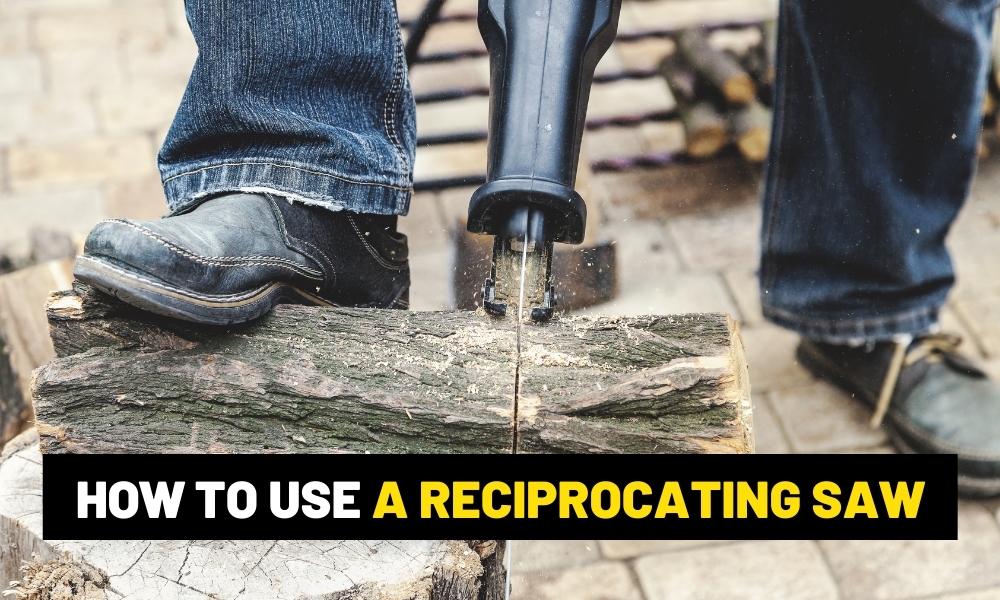
- Sharp objects – Kids should have no means of access to cut wood or metal objects and manual and power tools like saws. These objects have sharp blades or edges that can cause injury without training.
- Electric work– All objects where live current flows must be kept from children’s reach.
- Heavy objects – The worksite contains different types of heavy objects, like furniture, sheetrock, timber, and more.
- Noise – Noise is unavoidable during any renovation or DIY project. Even manual tools create noise that can harm children’s ears.
- Construction dust – Whether metal or wood dust or any dust particles, these particles harm humans when inhaled.

How to protect your kids during home renovation or DIY projects?
1. Send them to Granny’s home.
The best way to keep your child away from construction areas during renovation, especially if the project will take a large area in the home, is to be at another loved one’s place, like granny’s.
People who are always willing to check on the kids are Grandpa and Grandma. This way, you will not risk your kids from exposure to construction materials. Although, this option is not always applicable to everyone.

2. Assign a no-access area for kids and pets.
Assign a no-kid and pet zone. The construction areas become temporary as you go with the project.
Use indicators that your kids can easily understand.
Use baby barriers, temporary walls, barricades, and indicators such as caution tapes or signages that remind your kids that the area is not allowed access.

3. Relocate areas with high activity.
High-traffic areas hold most activities as a family. But during home improvement or DIY projects, you may have to move them and give room for construction.
Set up a temporary kitchen, dining, and living room as needed. This way, your kids do not have to walk across areas under construction.
4. Provide a workshop space for Kid’s DIY projects.
In cases where you have a small-scale DIY project, you can allot a space at home for your kid’s workshop. This way, you can place more age-appropriate tool-like toys.
Kids’ DIY tools are great ways to exercise their minds and creativity while you do your project at home. And the good thing is you do not have to expose them to the materials you are using.
5. PPEs for kids
Here are PPEs appropriate for kids during renovation or DIY projects:
- Ear muffs
- Safety goggles
- Dust mask
- Safety shoes
- Hard hat
- Gloves
- Knee pads
- Apron
Always choose PPEs appropriate for their age and size. Ensure they wear appropriately designed PPEs that fit their bodies to avoid malfunction and ensure effectiveness.

6. Have a dedicated space for power tools.
Power tools are dangerous for kids. These tools consist of blades and moving parts that can cut or injure body parts.
Kids lack safety awareness of handling power tools because they are man-made, and children dont have any natural fear instincts with tools.
And even with knowledge, you must not let them hold power tools. For this reason, you need to have proper storage for power tools.
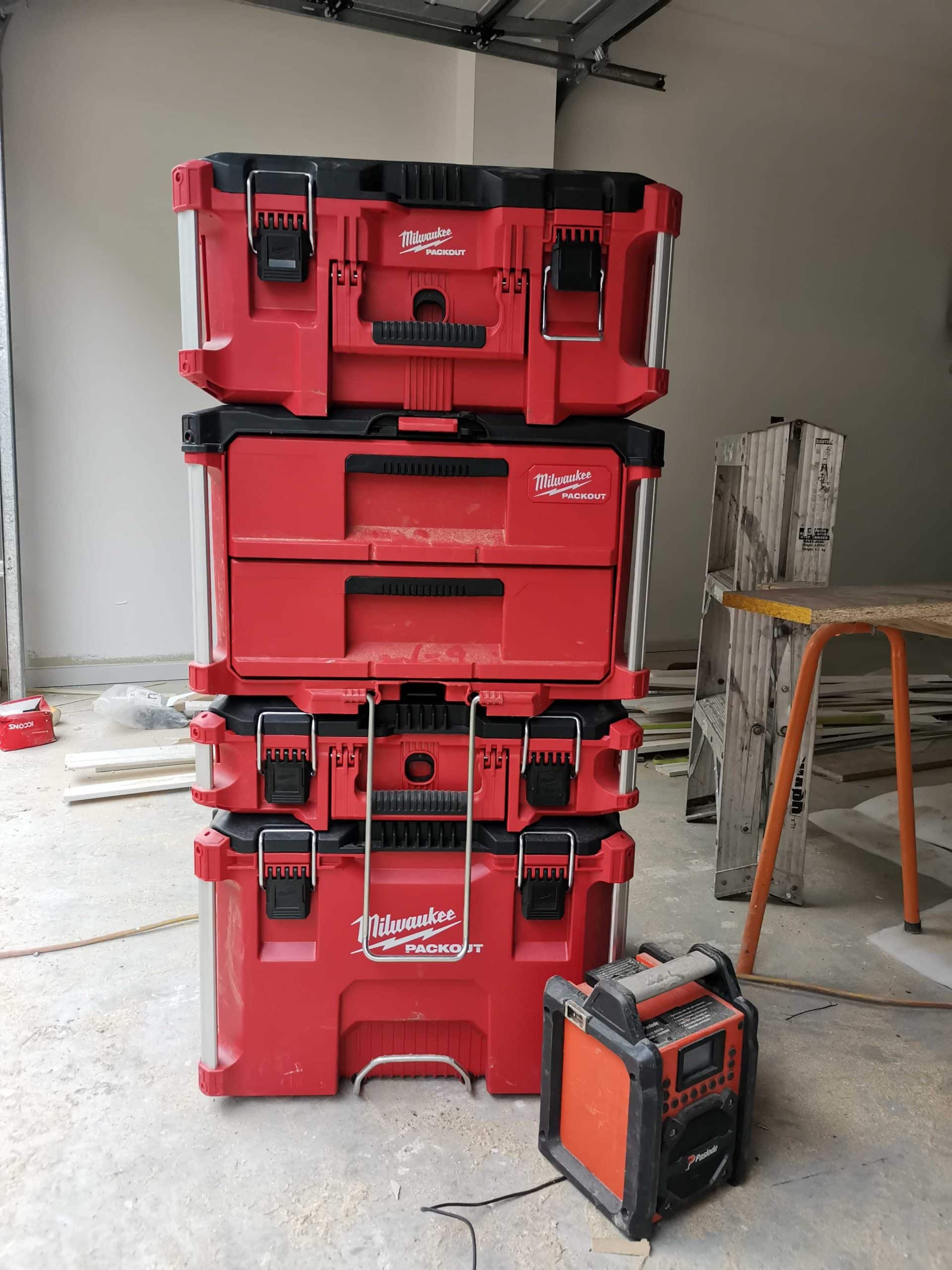
Choose a location where you will provide restricted access. Organize your tools as much as possible.
Place power tool bits and accessories on a carriage box and put labels. Manage cords, especially extension leads, when in use.
Utilize the wall to save space. And ensure you are using lockable storage in the garage to keep access away from children’s reach. Use a padlock.
7. Teach your kids about tool safety.
When you have assigned a temporary workshop, no access zones, and planned relocated areas, it is time to orient the kids about safety during renovation.
Explain the significance of prioritizing their safety during ongoing construction or DIY projects. Use simple, age-appropriate language.
Discuss the materials they should not touch and why they are not allowed to do so.
Talk about the proper way to wear dust masks, ear muffs, goggles, and other PPEs. Discuss rules on emergencies. Talk about the signages and barriers they should not cross.
When discussing safety, make sure to talk to them where they can focus without instructions.
At the end of your discussion, ask them what they understand about safety rules during the entire project.
8. Clean-up every day.
Make it a habit to tidy up anything you use for the day. Kids are always curious. They will open containers, carry hammers, or pick screwdrivers.
If they see you painting, nailing, or drilling, they will become curious and imitate what you do.
So fold the ladder away. Clean the brushes. Tidy up the paint buckets and trays. Keep the unused and opened paint containers.
You don’t want them to cut their skin by picking up leftover wood. So clean the leftover materials, whether used or unused, every day.
9. Use only safe, superior quality power tools and equipment.
Always prefer superior quality power equipment if you can. There are decent brands that sell affordable power tools that are appropriate for DIY projects.
These power tools often have safety attributes that can protect you from possible kickbacks, injuries, or cuts.
Choose among Ryobi or DeWalt, Milwaukee, or Makita. We’ve got a handful of reliable tool recommendations that feature safe operation at home.
10. Keep the workplace well-ventilated.
If your project deals with products with VOCs like paint and coatings, you must keep its effects minimal. Even if it may reach your safe zone, the least you can do is keep it well-ventilated.
To ventilate your space, keep your windows and doors open. Utilize your ventilation system or exhaust fans to help remove air contaminants in the area.
11. Stick to your schedule.
Your plan must have a specific timeframe for reaching your goals. For this reason, you need to stick to your scheduled time frame to finish your project sooner and on time.
The sooner you get them done, the sooner your kids can return to their daily lives.
12. Secure electrical outlets and wiring.
Although your kids must be familiar with where your outlets go. When you are having a major renovation, you will work with power tools that you may need to use in different spots of the room.
For this reason, you need to secure the outlets and use the extension wires safely onsite. This measure helps reduce the risks of electrical shocks and possible accidents with you, any workers, and your kids.
13. Ensure porper waste disposal of materials.
Even if you do not have a huge renovation or have a simple DIY project at home, you still have to abide by the laws. So segregate your wastes, especially those from paint, chemicals, solvents, blades, glass, or batteries.
Sort wood from concrete or drywall. Use separate containers for different waste. These measures will not only help your community garbage collectors but will keep your children safe as well.

Final thoughts
Ensuring a safe workplace for home improvement or DIY projects is a must when you have kids. This challenge involves a multifaceted approach to becoming successful.
From planning to safety orientation to actual implementation, every step is crucial in keeping your family safe.
For this reason, you need to carry out a safety plan, know the timeline, and get the kids engaged when enacting safety at home.
When you do, your family will reduce the safety risks that come with improvement and DIY projects at home.
Lastly – When your children are old enough and responsible enough, you can teach them how to participate in fun DIY projects together with your supervision.