Last updated on March 21, 2026 9:09 am
Are you up for a wooden furniture project?
According to Aaron Barnett of BangingToolbox: Wood is one of the best and most common materials to make furniture with; there is a huge variety of wood types as well making wood highly versatile with wide-ranging durability, weight, and looks.
Compared to most other materials, wood is easier to work with and allows even untrained hands to start with the intricacies and artistry of woodworking.
Furniture is essential in any household as the functional heart of any home. Wooden furniture has a natural appeal and helps pull off an elegant and modern look. Rather than purchasing expensive commercial furniture, why not learn how to make some yourself?
In this DIY guide, we’ll tell you what wood makes the world’s best furniture.
Why wooden furniture?
The earliest accounts of furniture date back to the neolithic era – about 12,000 years ago which, coincidentally, also marked the onset of agricultural practice.
Fast forward to today, where there is a home, there is bound to be furniture.
You name it: beds, tables, desks, chairs – all enhance the comforts of living, from dining to sleeping.
Wood is an extremely viable material in furniture making as it is easy to acquire and process.
There are 3 classifications of wood, mainly Hardwood, Softwood, and Manufactured Woods.

What are the differences between softwoods and hardwoods?
If you had no idea how to choose the best wood for furniture, here’s a list.
Hardwood
Dense, processed timber usually acquired from slow-growing deciduous trees [1]. Hardwood is considered superior quality and is exceptionally durable. Some of the best-known hardwoods are:
- Ash.
- Bamboo.
- Birch.
- Hickory.
- Mahogany.
- Maple.
- Oak.
- Walnut.
Softwood
The less-dense cousin of hardwood, softwood is timber processed from the faster-growing coniferous or evergreen trees.
Softwood is more common and easier to source than hardwood, making it the choice material for high-demand woodworks. Most known softwoods include:
- Cedar.
- Fir.
- Pine.
- Spruce.
Manufactured wood
Combined wood types for versatile and flexible manufacturing. Also called engineered wood, these can be strewn together from both hardwood and softwood. We’ll go more into these in detail later on.
- MDF.
- Chipboard.
- Particleboard.
- Plywood.

When to use hardwood?
The innate properties and qualities of hardwood make it an ideal choice for larger furniture that’s meant to take on higher levels of stress and strain [2].
Large cabinets, bed and sofa frames, and dining tables are some examples of furniture that benefit from the strength, durability, and aesthetic freedom offered by hardwood.
When to use softwood?
Softwood makes for an ideal material for manufacturing smaller furniture.
As softwood is less dense than hardwood, it’s easier to work with and the relative abundance of softwood sources makes it more affordable and sustainable.
You can go with softwood for making chairs, stools, coffee tables, drawers, and shelves.
Best hardwoods for making furniture
Hardwoods are natural heavyweights; they’re big, heavy, and can take the wear and tear well without the need for much maintenance.
They make up the best wood for furniture building. Excellent as they are expensive, hardwood furniture is generally large, durable, and imparts a certain level of prestige.
Maple
Often considered the ideal furniture wood, maple is as sturdy as it is beautiful.

Pros
- Considered the hardest of hardwoods.
- Available from a wide range of elegant and gorgeous finishes.
- Non-toxic.
- Easily maintained.
- Naturally dust-resistant.
Cons
- Prone to scratches and marks.
- Sensitive to humidity.
- Fades over time.
Oak
This hardwood is a prized choice known for its durability and is a more economic alternative compared to Maple wood.

Pros
- Very dense.
- Adapts to a wide variety of finishes.
- Ideal for both modern and traditional settings.
- Naturally scratch and stain-resistant.
Cons
- Prone to yellowing over time.
- Heavy and difficult to work.
- Requires consistent maintenance.
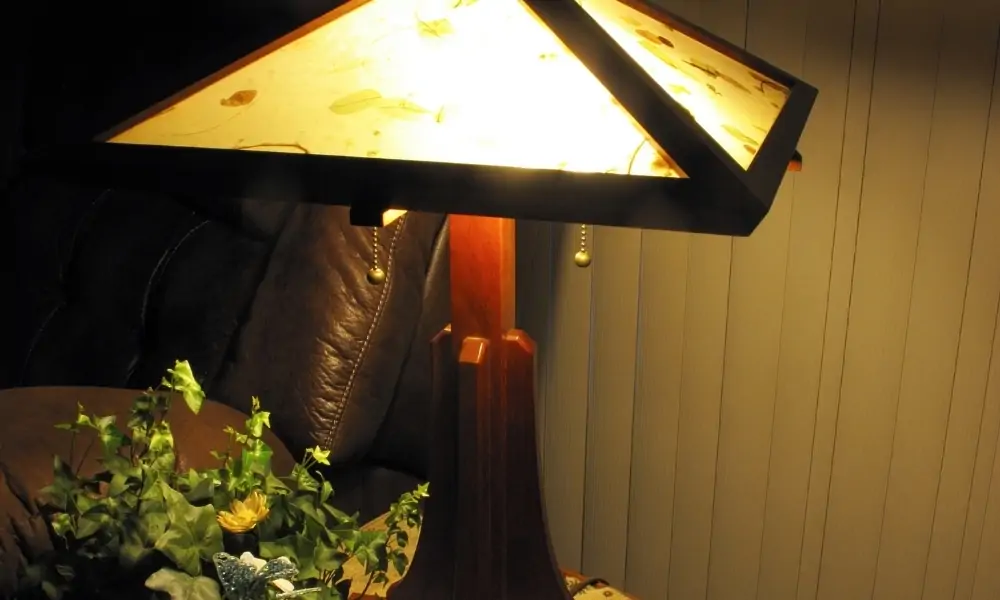
Cherry
A very even-looking hardwood known for its longevity and distinct dark coloration.
Pros
- Ideal for manufacturing antique furniture.
- Can last for centuries if cared for properly.
- Favored by craftsmen.
- Ages gracefully (darkens over time).
Cons
- Expensive.
- Less resistant to water damage and dust & dirt.
- Prone to sunlight damage.
Tasmanian blackwood
Also known as ‘Australian Blackwood’ or ‘Blackwood Acacia’, this hardwood has surprisingly good workability and a nice even texture.

Pros
- Good choice for medium to long/large furniture.
- Has a smooth polish.
- Has a nice, golden-brown natural appearance.
- Naturally heat-resistant.
Cons
- Not ideal for external use.
- Tricky sanding as dust can cause irritation.
- Requires a lot of power to cut
Walnut
Highly robust and craftable, this hardwood is favored by expert craftsmen and is the select-choice for making ornate furniture.

Pros
- Ideal for manufacturing luxurious furniture that can be later kept as heirlooms.
- Extremely superior quality.
- Very hard and strong.
Cons
- Very expensive.
- Requires a high level of craftsmanship to make the most of.
Mahogany
This elegant-looking hardwood is tougher than most and is mainly used to create strong focal-point furniture.

Pros
- 70% harder and more stable than most other hardwood types.
- Has a very strong and distinct appearance.
- Sun-absorbent and naturally fade-resistant.
- Requires minimal cleaning.
Cons
- Hard to cut and shape.
- Generally difficult workability; often requires expert intervention.
- Prone to confusion with sub-par variants of the same name.
Best softwoods for furniture making
If you’re looking for the best wood for furniture on a budget, go for softwood.
Most general furniture is made using softwoods as they are easier to gather and process.
Unlike hardwood, softwood has higher workability and is more versatile, making it more convenient for manufacturing.
Softwoods are often inexpensive and offer greater accessibility.

Spruce
A bright softwood with an ideal weight to strength ratio. Best used for furniture meant to take lighter wear and tear.

Pros
- Lightweight.
- Affordable and readily available.
- Highly resinous with a smooth, straight-grain surface.
Cons
- Does not handle moisture well.
- Susceptible to pest infestations.
Pine
Closely similar to Spruce wood, albeit being a bit sturdier and more flexible.

Pros
- Denser and a tad more durable than Spruce.
- Ideal for rustic and country-style spaces.
- Naturally impact-resistant.
Cons
- Less pleasing to the eye outside rustic and country styles.
- Characterized by potentially excessive knotting.
Fir
Softwood is processed from the timber of tall ‘Douglas Fir’ trees and makes for good rustic construction material.

Pros
- Superior stability when properly dried.
- Has uniform appearance.
- Relatively hard for a softwood.
Cons
- Does not take staining very well.
- Pricier than most other softwoods.
Cedar
A highly aromatic softwood known for its natural aesthetics and resistance.

Pros
- Weather-resistant and has natural insect-repelling properties.
- Highly versatile and has a strong color tone.
- Completely biodegradable.
Cons
- Highly flammable if untreated.
- Expensive and requires stringent maintenance to preserve longevity.
Macrocarpa
Also called the ‘Monterey Cypress’, these windbreak trees offer pest-resistant and reasonably durable softwood timbers.

Real wood vs Manufactured wood
Real wood
Real wood is superior overall with higher strength, durability, and quality. Processed directly from respective timbers, real wood; whether softwood or hardwood; is innately ideal for crafting and manufacturing.
The various types and natural properties of real wood give it numerous options in terms of appearance and finishes while being recyclable; you can restore faded looks through the re-application of varnish and via re-polishing.
Manufactured wood
Manufactured wood or engineered wood, are wood materials that are a composite of multiple wood types and have undergone the process of heating, gluing, and compressing.
While good for small, run-up-the-mill furniture pieces, MDF, while greatly less expensive than real wood, contains certain toxins [3] and is less environmentally friendly.
What are popular manufactured woods?
Plywood
Plywood or ‘Laminated Board’ is perhaps the best known and most common of manufactured woods. Plywood is very strong because of its layered manufacturing. And can look good with a clear coat or stain.
Particleboard
A rather inexpensive wooden material made by bonding sawdust and shavings with resin. Particleboards are often used to manufacture low-end furniture.
Fiberboard
Fiberboard is a dense and more damage-resistant board created by the heating and gluing of small, dried wooden chips.
Medium Density Fiberboard (MDF)
An MDF is actually a type of fiberboard and is the most popular one thanks to its super-dense manufacturing.

Are hardwoods used in furniture-making expensive?
Yes, hardwoods in general are more expensive as it is more difficult to handle the timbers that are harvested from hardwood trees.
Because most hardwood trees are classified as deciduous, their slow growth means lower supplies, hence, pricier logistics.
Naturally dense, hardwood workability is low because of the difficulty in cutting and shaping the wood; skilled hands and higher-end equipment are often required.
While hardwood furniture definitely costs a pretty penny, they’re also the better long-term investment as almost all hardwood is guaranteed to last if cared for correctly.
Can you recycle hardwood timber?
Yes, it is entirely possible to recycle hardwood timber. While all wood types are fundamentally recyclable, the innate properties of hardwood that make it durable and damage-resistant are the very same factors that give it a higher degree of recyclability.
Instead of buying new pieces, you can repurpose and recycle old furniture to save valuable money and resources.
You can restore worn-out hardwood with the use of a heat gun – strip off old paint or coating, then repolish and reapply a new finish to bring back luster.
Likewise, when choosing to retouch hardwood, you’ll also have an easier and less-risky time filling out holes thanks to its rugged characteristics.

Is it cheaper to mill your own lumber?
Anything DIY is always more affordable. The same is true, and more so, in the case of milling your own lumber. Having lumber commercially milled can cost you a lot, whereas owning your own portable sawmill can save you in terms of both expenses and time.
For the avid woodworker or carpenter, an Alaskan sawmill does wonders and is a simpler and more convenient alternative to commercial milling as it practically allows them to be able to work anywhere; that and the fact that the sawmill eliminates the need to use overly complex and high-end equipment – simply strap on your favorite chainsaw and start milling your own lumber!
Here’s another tip.
When looking to make furniture, both hardwood and softwood are viable options.
You can also consider manufactured wood, but mainly if you are constrained to working with a budget; manufactured wood works better as flat pieces more than anything else, for the inside of draws.
Depending on your projects, you can go with softwood for lighter and smaller furniture as these are easier to work with and are more affordable to the source.
Otherwise, go with hardwood as nothing beats their quality and durability, especially for large, weight-bearing furniture.

More information:
- Slow-growing deciduous trees, https://biologydictionary.net/deciduous-trees/
- Mechanical properties of wood, Wood Handbook Ch.4, https://www.fpl.fs.fed.us/documnts/fplgtr/fplgtr113/ch04.pdf
- Man-made woods contain toxins from the glues used in the manufacturing as also mentioned here, https://www.hse.gov.uk/woodworking/faqs.htm#c4